
Hi, and welcome to ‘Ask Claire’. This week:
Carolyn from Newcastle upon Tyne asks:
Hi Claire, I seem to have problems walking about these days. I have a really bad back pain too. One of my friends even asked if I’d shrunk?? I brushed it off till someone else asked the same thing, then she suggested I may have osteoporosis or arthritis. I don’t know much about these conditions or even if I do have them. Can you give me some advice?
Claire says:
Hi Carolyn,
My initial advice is for you to see a health professional such as an osteopath or your doctor straight away. The symptoms you describe could indeed be an indication of osteoporosis.
I will go into more detail later on what exactly osteoporosis is and how to deal with it. But first let’s take a look at arthritis:
The Difference between Osteoporosis and Arthritis
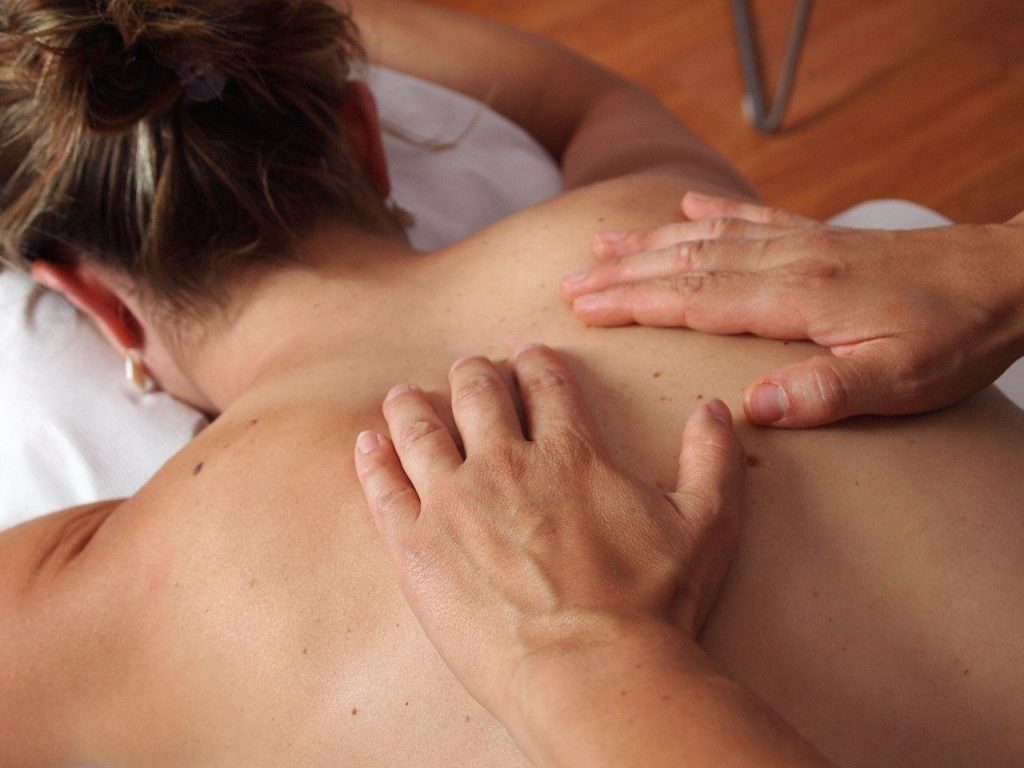
It’s quite common to confuse arthritis and osteoporosis, as people tend to regard them collectively as ‘bone conditions.’ Strictly speaking only osteoporosis is the only actual bone condition listed.
Osteoporosis is a condition in which your bones lose density and are therefore more likely to fracture, whereas arthritis tends to affect the joints and surrounding tissue where the bones come together.
The two most common types of arthritis are: Osteoarthritis and Rheumatoid arthritis.
Rheumatoid Arthritis
Generally (but not always) affects joints in the thumbs, fingers, wrists, shoulders, elbows, knees, ankles and feet. It is an autoimmune disease, which means the body is producing enzymes that attack its own healthy tissues. If you have rheumatoid arthritis you may have stiffness, reduced movement, pain and swelling. You may also suffer with weight loss fatigue and fever.
If, Carolyn, your difficulty in walking around is due to fatigue, rather than your back pain then you might want to check your other symptoms as there may be an element of rheumatoid arthritis present.
You can take your findings to an osteopath or your GP who will conduct a more detailed study for you.
Osteoarthritis
Generally, develops in joints that are injured through overuse. This could be a repeated manual task, maybe at work, or playing a certain sport or carrying around an excessive amount of bodyweight.
Joints in the hips, neck, knees and lower back are very often the most affected areas.
The cartilage that cushions the ends of your bones is worn away leaving your bones to rub together. Joint flexibility is reduced and your joint swells. This can be quite painful.
When your pain first started was it following exercise or immobility? If so, it is possible you may have osteoarthritis.
Osteoporosis
The similarity between the names osteoporosis and osteoarthritis tend to cause great confusion but these conditions present differently (have different symptoms), have different causes and are treated differently.
Four years ago, the institute of osteopathy and the national osteoporosis society joined forces to help educate patients and the public about the detection, treatment and prevention of osteoporosis. As such, at Newcastle osteopathy and therapy we have screened many patients for this silent condition whilst offering holistic advice and support.
Osteoporosis is known as a silent condition because by the time you know you have it, it is often too late, you have already fractured or broken a bone. With osteoporosis, the inside support of your bone becomes thinner, making your bones more fragile and therefore susceptible to breaking.
Causes of Osteoporosis
There are risk factors with osteoporosis that you have control of, and some that unfortunately you can do nothing about. My advice, if you have osteoporosis, is to control what you can and don’t waste time fretting over the things that you can’t. This can only lead to depression and a range of other debilitating psychological conditions.
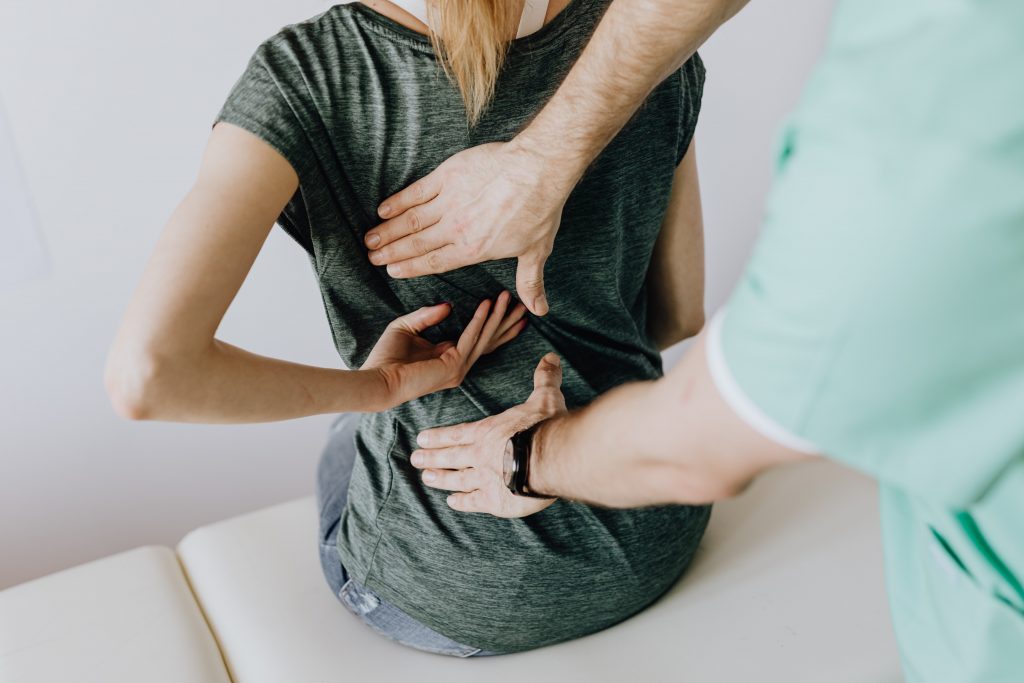
Are You Biologically Female?
If you answer yes to this then… I’m afraid you are more likely to suffer with osteoporosis and broken bones than men, although this is partly because women tend to live longer than men, and therefore have to cope with the lower bone strength that comes with advancing years.
As a woman, your bones will also lose strength at a faster rate after menopause. This is due to the reducing levels of the female sex hormone (oestrogen) that helps keep your bones strong.
Are You Getting Older?
Well, I hope so. Though you should be aware that once you progress past your late thirties then your natural bone density starts to decrease. The older you get, the more likely you are to become less steady on your feet, perhaps tripping and breaking a bone in a fall.
This is perhaps why when you’re young, if you fall over in the street people simply offer you a hand up. No big deal. When you get older however and do the same then people just gather around and if someone asks what is wrong, they reply slowly… “He / She’s had a fall.”
Were Your Parents or Grandparents Prone to Tripping and Falling?
If so, the likelihood is, it’s in your genes. It is more probable that you too will trip and perhaps even break a bone in a fall.
Where were you born?
If you are Caucasian or are of Asian origin then you are more likely to get osteoporosis than someone of an Afro-Caribbean origin.
So, to sum up the factors that you can’t control:
If you are biologically female Caucasian, who is advancing in years and has a history of trips, falls and broken bones, like your father before you and your father’s father – then I’m afraid your risk of osteoporosis is rather high.
The risk factors you CAN control:
Smoking, and drinking alcohol increase the likelihood that you will get osteoporosis.
The cells that build bone in your body are slowed by smoking.
For women – Smoking also increases the chances of early menopause. And as we discovered earlier, that means dramatically reducing your levels of oestrogen.
The cells that build bone are also affected by drinking excessive levels of alcohol.
Alcohol also makes you unsteady on your feet and more likely to have a trip or a fall.
Do You Have Low Body Weight?
If you have low body weight then the chances are you also have less bone tissue. This means your bones are more fragile and more prone to breaks.
I hope this information has helped you Carolyn and you, the reader – if you think you might be suffering from osteoporosis or arthritis.
Osteoporosis is a serious condition and my advice, if you think you have this is to see an osteopath or your doctor as soon as possible.
If you have any questions / comments about this blog or have a question you’d like to ask Claire, then please do so in the comments section below.
Sign up to our mailing list HERE to receive real time updates on posts and exclusive offers from Osteopathy and Therapy.